Regulatory Structures Supporting Varied Transaction Methods in Mobile Wheel Game Platforms
Written by Mara Simon · Sep 18, 2026
Regulatory Structures Supporting Varied Transaction Methods in Mobile Wheel Game Platforms
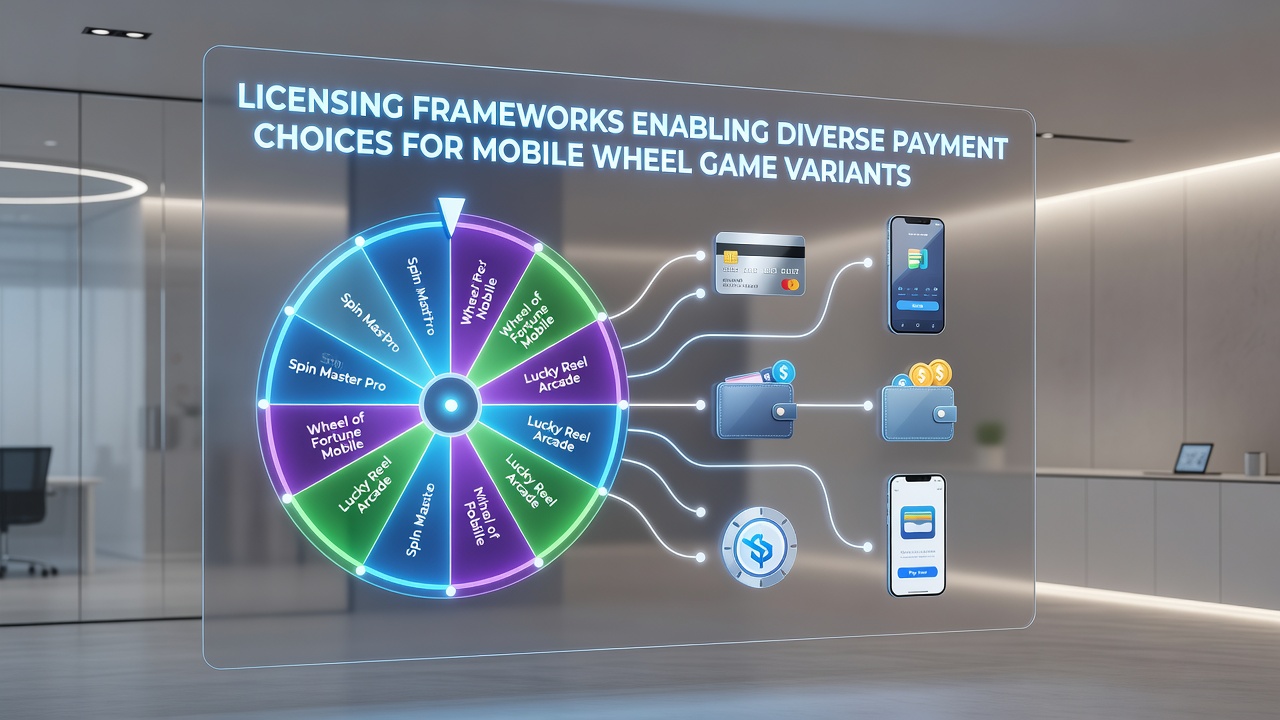
Regulatory frameworks across multiple jurisdictions continue to shape the range of payment options available for mobile wheel game variants, and these systems determine how operators can integrate e-wallets, bank transfers, and emerging digital currencies into their platforms. Licensing authorities set specific requirements that influence everything from transaction speed to consumer verification processes, while operators must align their services with those rules to maintain compliance and market access.
Regional Licensing Approaches and Payment Integration
European licensing models, particularly those administered by the Malta Gaming Authority, establish clear guidelines that permit a broad selection of payment processors provided operators demonstrate robust anti-money laundering controls and data protection standards. Operators licensed under these structures often incorporate multiple methods simultaneously because the regulations emphasize transparency in fund handling rather than restricting specific technologies. Data from industry reports indicates that such frameworks have supported steady growth in mobile platform usage throughout 2025 and into 2026.
North American regulators take a more segmented approach. The New Jersey Division of Gaming Enforcement requires detailed reporting on all payment channels used in mobile offerings, and this oversight has encouraged the adoption of certified processors that meet strict security benchmarks. Similar patterns appear in Canadian provincial systems where licensing conditions tie payment diversity directly to player protection measures, resulting in gradual expansion of accepted methods over recent quarters.
Technical Requirements Within Licensing Terms
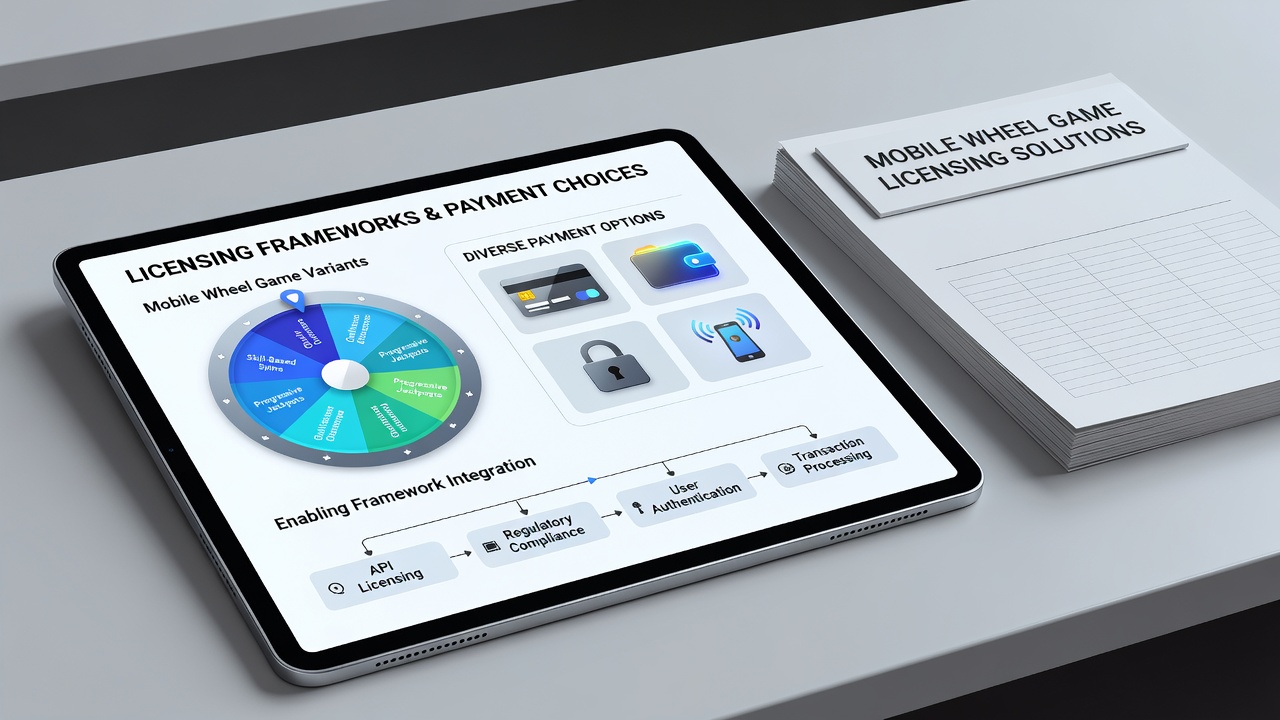
Licensing documents frequently specify technical standards that payment systems must satisfy before integration with mobile wheel game applications. These include encryption protocols, real-time monitoring capabilities, and audit trails that allow regulators to review transaction flows. Observers note that operators who secure licenses in multiple regions often standardize their payment infrastructure to satisfy the strictest requirements across jurisdictions, which in turn expands the choices presented to end users.
Payment method approvals also intersect with software certification processes. When regulators evaluate mobile wheel game variants, they assess whether the underlying payment interfaces maintain game integrity during transactions, and this evaluation has become more rigorous as mobile usage volumes increase. Figures released by several licensing bodies show that applications incorporating flexible payment options tend to complete certification cycles more efficiently when their systems already align with established security frameworks.
Impact on Operator Strategies Through 2026
Operators planning expansions have adjusted their licensing strategies to secure frameworks that accommodate diverse payment solutions. Several companies filed applications in jurisdictions scheduled for regulatory updates in September 2026, anticipating that revised rules will further clarify acceptable digital payment channels. This timing aligns with broader industry shifts toward unified compliance standards that reduce the need for separate payment infrastructures in each market.
Research from academic institutions studying gambling regulation highlights how licensing conditions can either accelerate or constrain the rollout of new transaction technologies. One analysis examined data across Asia-Pacific markets and found that jurisdictions wth modular licensing categories tend to approve additional payment methods at faster rates than those operating under single comprehensive licenses. These findings suggest that structural differences in regulatory design directly affect the variety of options available to mobile users.
Cross-Border Considerations and Compliance Overlaps
Companies operating mobile wheel game platforms across borders must navigate overlapping licensing requirements that sometimes conflict on payment processing rules. Australian state-based regulators, for instance, maintain distinct criteria from those in European markets, and operators often maintain separate compliance teams to address each set of mandates. Yet successful navigation of these differences has allowed certain platforms to offer consistent payment experiences regardless of user location.
Industry associations have published guidance documents that help operators map licensing conditions to specific payment technologies. These resources outline common compliance pathways and identify areas where regulators have shown flexibility, such as the gradual acceptance of blockchain-based verification tools in select jurisdictions. Data compiled by these organizations reveals measurable increases in approved payment diversity following the introduction of such guidance materials.
Conclusion
Licensing frameworks continue to serve as the primary mechanism through which payment choices expand or contract for mobile wheel game variants. As regulatory bodies refine their approaches through 2026 and beyond, the alignment between licensing conditions and technical capabilities will determine how quickly new transaction methods reach users. Operators and regulators alike monitor these developments closely because payment infrastructure remains central to both compliance and platform functionality across all active markets.